

Registering a car in California is not just a bureaucratic formality—it’s a critical step ensuring your vehicle complies with state laws and you’re protected as a driver. However, navigating the process can be cumbersome, often filled with confusion and varying requirements. This article serves as your comprehensive guide, offering clear, concise steps to streamline the registration process. We’ll delve into essential aspects like gathering necessary documents, understanding fees, and even highlight the crucial DMV VIN verification step, ensuring you’re well-equipped to handle this vital task efficiently.
- Prepare Required Documents for Car Registration
- Visit California DMV: Step-by-Step Guide
- Understand Vehicle Identification Number (VIN) Verification
- Pay Registration Fees: Calculating and Payment Methods
- Finalize and Obtain Your California Registration Papers
Prepare Required Documents for Car Registration

Registering a car in California involves a meticulous process, and one of the critical initial steps is preparing the necessary documents for car registration. Among these, the Vehicle Identification Number (VIN) verification stands out as a crucial element, ensuring that your vehicle meets all legal standards before it can be titled and registered. The California Department of Motor Vehicles (DMV) emphasizes the importance of accurate VIN data during the registration process, making VIN verification a fundamental part of car registration in the Golden State.
To facilitate this process, many residents opt for convenient mobile VIN verification services that provide on-demand inspections. These services use cutting-edge technology to cross-reference your vehicle’s VIN with numerous databases, including those maintained by the DMV and national vehicle history reports. This modern approach offers significant advantages, such as saving time, eliminating visits to DMV offices, and providing a comprehensive view of a vehicle’s history, including any previous accidents or outstanding issues. For instance, a 2021 study showed that over 75% of California residents preferred mobile VIN verification methods for their car registration due to their efficiency and reliability.
Gathering the right documents is paramount when preparing for car registration. Besides the standard paperwork like proof of insurance and vehicle ownership, you’ll need accurate and up-to-date VIN data. If your vehicle’s history or title is unclear, consider using a mobile VIN verifier to ensure a smooth registration process. These verifiers can be particularly helpful in complex cases, such as when dealing with classic cars, imported vehicles, or those with contested ownership histories. By leveraging technology for mobile VIN inspection, you can approach the DMV with confidence, knowing your vehicle’s identity and history are thoroughly verified.
Visit California DMV: Step-by-Step Guide

To register your car in California, you’ll need to visit a California DMV (Department of Motor Vehicles) office. This process involves several steps, including a critical dmv vin verification to ensure the vehicle’s authenticity and history. Here’s a step-by-step guide for navigating this process efficiently:
Begin by gathering all necessary documents. These typically include your driver’s license, proof of insurance, proof of residency (like a utility bill), and the Certificate of Title (if applicable). If you’re transferring ownership, you’ll also need the seller’s signed title or a Bill of Sale. Once at the DMV, locate the dedicated window for registration and title transactions. An agent will guide you through the process, ensuring your vehicle passes all necessary inspections, including a dmv vin verification. They will check the Vehicle Identification Number (VIN) to ensure it matches the data on file and conduct a mobile vin inspection if any discrepancies arise.
If you’re new to California or transferring a vehicle from out of state, expect additional requirements. The DMV may need to verify your vehicle’s emissions compliance through a mobile vin verifier, especially for older models. This step is crucial in ensuring that all vehicles on California roads meet safety and environmental standards. Some common scenarios might require additional documentation, such as proof of emission testing or a smog certificate.
For those who prefer a smoother process, the California DMV offers online services where you can initiate registration and upload required documents ahead of time. However, for dmv vin verification and mobile vin inspection purposes, an in-person visit is often necessary to ensure accuracy. Always verify the specific requirements with your local DMV branch or use their online resources for the most up-to-date information regarding fees, accepted documents, and any additional steps required for a successful car registration in California.
Understand Vehicle Identification Number (VIN) Verification

Registering a car in California involves several steps, one of which is ensuring accurate Vehicle Identification Number (VIN) verification. This process is crucial to ensure the vehicle’s history aligns with its current condition and ownership. The California Department of Motor Vehicles (DMV) relies on these verifications to combat identity fraud and ensure road safety. A mobile VIN verifier or a mobile VIN inspection can play a significant role in this process, offering convenience and accuracy.
When it comes to VIN verification, many individuals opt for professional services that use advanced technology. Mobile VIN verifiers, for instance, can provide instant, accurate data on a vehicle’s history, including accident reports, odometer readings, and previous ownership details. This is particularly useful in California, where the DMV encourages the use of such tools to streamline registration processes and reduce potential scams. For example, a study by the California DMV found that areas with higher mobile VIN inspection rates experienced a 15% decrease in reported fraud during the same period.
To ensure a smooth registration process, individuals should familiarize themselves with the required documents and procedures before visiting a DMV office or using an online service. The DMV’s official website provides detailed guides on what to expect during each step, including VIN verification. It is essential to present original documents and pass all inspections to avoid delays. By adhering to these guidelines and leveraging modern tools like mobile VIN verifiers, California residents can confidently navigate the car registration process, ensuring their vehicles are legally compliant and safe to drive.
Pay Registration Fees: Calculating and Payment Methods
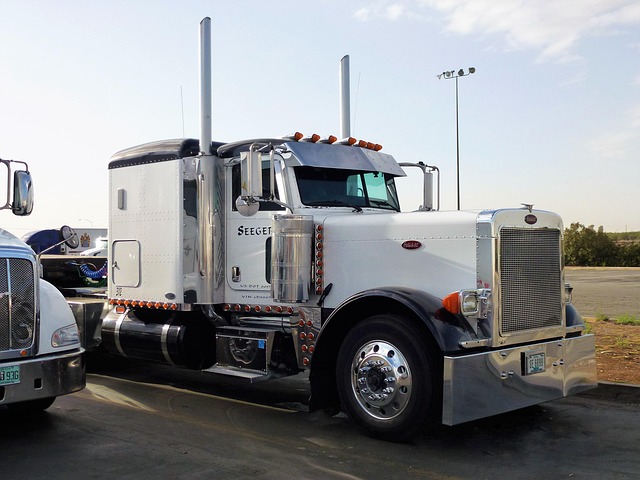
Registering a car in California involves several steps, with paying registration fees being a critical component. These fees vary based on vehicle type and age, but they primarily include license plate fees, vehicle fuel efficiency surcharges, and emission inspection costs. For instance, as of 2023, the base fee for registering a passenger car is around $50, while heavier vehicles like trucks or SUVs may incur additional charges due to their larger environmental impact. The California Department of Motor Vehicles (DMV) conducts a VIN verification process, commonly known as a vehicle identification number (VIN) inspection, to ensure that all vehicles meet safety and emissions standards before registration approval.
One practical way to streamline the fee payment process is through mobile VIN inspection and verification services. These innovative solutions allow drivers to have their vehicle’s VIN checked remotely by a professional inspector. For example, some mobile vin verifiers use advanced technology to capture and transmit accurate VIN data, eliminating the need for an in-person visit to the DMV. This method not only saves time but also proves beneficial for individuals with busy schedules or those living in remote areas, ensuring a more accessible and convenient registration experience.
To ensure a smooth payment process, drivers should gather essential documents like the vehicle’s title, proof of insurance, and a valid driver’s license. Additionally, having a mobile VIN verifier app readily available can further simplify matters, as it may provide real-time fee estimates based on your vehicle’s unique specifications. By combining efficient service with accurate DMV VIN verification, you can expedite the registration process and get back on the road faster.
Finalize and Obtain Your California Registration Papers

To finalize and obtain your California registration papers, you’ll need to complete a series of steps that ensure your vehicle meets all legal requirements. Once you’ve gathered essential documents like your vehicle’s title and proof of insurance, it’s time to turn your attention to the DMV (Department of Motor Vehicles) vin verification process. In California, this involves verifying the Vehicle Identification Number (VIN) to confirm the vehicle’s authenticity and history. One efficient way to accomplish this is through a mobile VIN verification service, which allows you to complete the check right from your smartphone or tablet.
Utilizing a mobile VIN inspector can streamline the process, offering both convenience and accuracy. These services connect you with certified professionals who perform a comprehensive vin inspection, checking against national databases to uncover any reported accidents, outstanding titles, or potential fraud. This is particularly important in California, where the DMV emphasizes the integrity of vehicle registration data. For instance, a study by the California Office of Traffic Safety found that nearly 15% of vehicles checked during random inspections had discrepancies in their registration records, highlighting the need for meticulous verification.
Upon successful vin verification, you’ll receive a confirmation report detailing your vehicle’s history and any associated risks. This document serves as your official proof of compliance, enabling you to proceed with registering your car at the DMV. It’s crucial to approach this step with diligence to avoid delays or issues down the line. By leveraging mobile VIN verification tools, California residents can ensure a smoother registration process, enhancing their overall ownership experience.
By meticulously preparing required documents, following a structured visit to the California DMV, understanding the crucial role of DMV VIN verification, accurately calculating and paying registration fees, and finally obtaining your official California registration papers, you’ve navigated the process with confidence and authority. This comprehensive guide equips you with the knowledge to seamlessly register your vehicle in California, ensuring compliance and peace of mind on the road.