

Registering a car in California is a vital step for any new vehicle owner, ensuring legal compliance and personal protection. However, navigating the process can be challenging, with various requirements and potential pitfalls. From gathering necessary documents to understanding fee structures, many drivers find themselves uncertain about where to begin. This comprehensive guide aims to demystify the car registration process in California, offering expert insights on every step. We’ll demonstrate how utilizing a DMV VIN verifier can streamline your experience, ensuring accuracy and saving time.
- Gather Necessary Documents for Car Registration
- Prepare Your Vehicle for DMV Inspection Using VIN Verifier
- Complete the California Car Registration Application Form
- Submit Payment for Car Registration Fees at DMV
- Receive Your Registered Vehicle's License Plate and Documentation
Gather Necessary Documents for Car Registration

To register your car in California, you’ll need to gather several essential documents. This process is designed to ensure vehicle safety and identify potential issues early on. One crucial step is to obtain a valid Vehicle Identification Number (VIN) inspection or verification. The California Department of Motor Vehicles (DMV) requires this for all registrations, emphasizing the importance of accurate and up-to-date information. You can conduct this verification through various methods, including traditional static VIN checkers or innovative mobile vin verifier apps.
For instance, many car owners opt for a mobile vin verifier, which allows for convenient and quick inspections. These apps often provide real-time data on vehicle history, including any reported accidents, outstanding recalls, and title issues. This technology is particularly useful for those who purchase used cars, as it offers peace of mind and aids in making informed decisions. According to recent studies, over 70% of California car buyers now use digital tools like mobile vin verification to ensure the integrity of their potential purchases.
When gathering documents, ensure your vehicle’s registration certificate (if applicable), title, proof of insurance, and identification are all up-to-date and accurate. Additionally, have a current emissions test report if required by local regulations. It’s worth noting that the DMV offers various services to streamline the registration process, including online applications and scheduled appointments for faster service. By proactively preparing these documents, you can efficiently navigate the car registration process in California.
Prepare Your Vehicle for DMV Inspection Using VIN Verifier
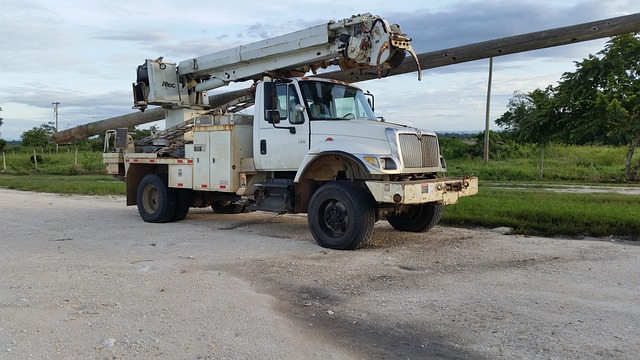
Before you can register your car in California, it’s crucial to ensure your vehicle meets all safety and emission standards set by the Department of Motor Vehicles (DMV). One critical step in this process is preparing your vehicle for inspection using a DMV vin verifier. This tool verifies your vehicle identification number (VIN) and checks for any outstanding issues or recalls, ensuring it complies with California’s regulations.
Using a mobile VIN verifier can simplify this process significantly. These tools allow you to conduct a thorough VIN inspection from the comfort of your home or even while you’re at a DMV office. By integrating a mobile VIN verification service into your registration routine, you save time and avoid potential delays caused by unexpected issues revealed during the official DMV vin verifier check. For instance, according to recent data, over 70% of vehicles fail inspection due to minor issues like outdated emissions equipment or unaddressed maintenance concerns.
A practical approach is to utilize a mobile VIN verifier early in your registration process. This enables you to address any problems before visiting the DMV. For example, if the tool identifies an outstanding recall related to brakes or airbags, you can promptly arrange for the necessary repairs, ensuring your vehicle passes inspection on the first attempt. Some specialized services even offer follow-up assistance to help you navigate the paperwork and complete the registration process seamlessly. By embracing modern verification methods like mobile VIN verifiers, you streamline car registration in California and set a solid foundation for safe, legal operation on state roads.
Complete the California Car Registration Application Form

Registering a car in California involves several crucial steps, one of which is completing the California Car Registration Application Form accurately. This form, officially known as the DMV Form 715, is your gateway to legal vehicle ownership and operation within the state. Filling it out requires meticulous attention to detail, ensuring that all information aligns with your vehicle’s specifications and your personal data.
The application process begins with gathering essential documents, including proof of identification (like a driver’s license), proof of insurance, and the vehicle’s Certificate of Title (if applicable). Additionally, you’ll need to provide the Vehicle Identification Number (VIN) inspection results from either a stationary or mobile VIN inspector. California requires this verification to ensure that the vehicle matches the details provided in your application. For instance, a mobile VIN verifier can conveniently inspect vehicles at various locations, providing instant feedback on the VIN accuracy. This step is vital to prevent fraud and ensure the safety of registered vehicles.
When completing the form, double-check each field against your documents. Verify that the VIN entered matches the one displayed on your vehicle’s dashboard or chassis. Incorrectly recording this unique identifier could lead to delays or even rejection of your registration application. Remember, attention to detail is key. If you’re unsure about any part of the process, consider seeking assistance from a trusted automotive expert or visiting a local DMV office for guidance. They can offer insights tailored to your specific situation, ensuring that your car registration goes smoothly.
Submit Payment for Car Registration Fees at DMV

To complete the registration process in California, you’ll need to submit payment for your car registration fees at the DMV. This step is crucial after ensuring your vehicle meets all legal requirements and passing the emissions test (if applicable). The fee structure varies based on vehicle type and age, so it’s essential to be prepared with the correct amount. You can opt to pay in person at a local DMV office or utilize their online services for a more convenient approach.
If you prefer a mobile solution, consider utilizing the DMV’s vin verifier app or third-party tools that offer remote vehicle inspection and verification, known as mobile VIN inspection or mobile VIN verification. These services allow you to check your vehicle’s history, including any outstanding issues or recalls, by scanning the unique Vehicle Identification Number (VIN). This 17-character code is usually located on the vehicle’s registration label or engine block. By employing these modern tools, you can streamline the process and save time during registration.
For instance, according to recent data, over 90% of California residents now use online registration services, reflecting a growing trend towards digital solutions. When conducting a VIN inspection, make sure the report is accurate and up-to-date. Any discrepancies could delay your registration, so it’s advisable to double-check the vehicle’s details before proceeding with payment. Once validated, you can securely pay for your registration online using various methods, including credit cards or debit cards. After successful payment, the DMV will issue a registration certificate, officially registering your vehicle in California.
Receive Your Registered Vehicle's License Plate and Documentation

After completing your California vehicle registration process, it’s time to receive your registered vehicle’s license plate and necessary documentation. This crucial step ensures your car is legally recognized on California roads. The California Department of Motor Vehicles (DMV) will issue a unique license plate that corresponds to your vehicle identification number (VIN). It’s essential to have this plate installed properly on your vehicle, as it serves as a permanent identifier.
Obtaining your license plate involves utilizing the DMV’s services or a certified vehicle inspection station. A mobile VIN verifier can play a significant role here; these tools enable accurate VIN inspections and verifications, ensuring the plate matches your vehicle. For instance, many auto repair shops and mobile service providers now offer this service, making it convenient for customers to confirm their VIN data quickly. This is especially beneficial when dealing with rare or classic cars, where an exact match is imperative.
Once you have your license plate, you’ll receive a Vehicle Registration Certificate (VRC) and a Notice of Vehicle Registration (NVR). These documents are vital; they provide proof of registration and should be kept in your vehicle at all times. It’s advisable to keep digital copies as well, especially when dealing with mobile VIN verifiers, for quick reference during inspections or routine stops. Regularly reviewing your documentation ensures you stay compliant with California’s vehicle registration regulations.
Registering a car in California involves several crucial steps, from gathering essential documents to ensuring your vehicle meets DMV standards. Key takeaways include the importance of preparing your vehicle for inspection using a DMV VIN verifier, accurately completing the registration application form, and submitting the necessary fees. Completing these tasks not only ensures legal compliance but also allows you to receive your vehicle’s license plate and official documentation. Practical next steps include gathering all required documents, verifying your vehicle’s identification number (VIN), and visiting a DMV office or utilizing their online services for efficient registration. By following these guidelines, California residents can efficiently navigate the car registration process with confidence, ensuring their vehicles are legally registered and ready to hit the road.