

Registering a car in California is not just a bureaucratic task; it’s a crucial step for any new or existing vehicle owner. Understanding the process can be daunting, given the extensive paperwork and legal requirements. This comprehensive guide aims to demystify the procedure, ensuring a smooth experience. We’ll walk you through each step, from gathering necessary documents to conducting essential VIN verification, providing expert insights tailored specifically for California residents. By the end, you’ll be equipped with the knowledge to navigate this process confidently.
- Gather Necessary Documents for Car Registration in California
- Choose a Suitable Registration Method: Online or In-Person
- Prepare Your Vehicle's VIN Verification for Accurate Registration
- Pay the Required Fees and Taxes for Car Registration
- Complete the Registration Process and Receive Your Plate
Gather Necessary Documents for Car Registration in California

Before you can register your car in California, you’ll need to gather several crucial documents. This process is designed to ensure vehicle safety and proper ownership verification. The key to a smooth registration lies in being prepared with all the required materials. Among these, the Vehicle Identification Number (VIN) plays a central role, serving as a unique fingerprint for your car. VIN verification is essential, and California offers various methods to facilitate this, including mobile vin verification services that allow you to check the VIN’s authenticity from the comfort of your home or garage.
Central to the registration process are documents like the title certificate, which establishes ownership, and a valid driver’s license for the registered owner. If you’re purchasing a used car, additional paperwork such as a Bill of Sale or a previous registration may be needed. It’s also important to have proof of insurance, as California law mandates that all vehicles on its roads be insured. Furthermore, ensuring your vehicle meets all safety and emission standards is non-negotiable; this can often be demonstrated through a successful mobile vin inspection or by presenting relevant maintenance records.
For instance, the California Department of Motor Vehicles (DMV) recommends using authorized online services for VIN verification to streamline the process. These services cross-reference your vehicle’s information against state databases, ensuring its authenticity and history are accurately represented. By combining these digital tools with traditional documentation, you can confidently navigate the car registration process in California. Always double-check requirements on the official DMV website to stay updated on any changes or specific guidelines related to mobile vin verification and other registration procedures.
Choose a Suitable Registration Method: Online or In-Person

Registering a car in California involves careful consideration of your preferred registration method, whether online or in-person. In today’s digital age, many residents opt for the convenience and speed of online vin verification and registration. This approach allows you to complete the process from the comfort of home, saving time and effort. For instance, the California Department of Motor Vehicles (DMV) offers an efficient, secure online platform where you can enter your vehicle’s information, including its unique Vehicle Identification Number (VIN), to initiate the registration.
However, for those who prefer a more traditional approach or require immediate assistance, visiting a DMV field office remains an option. In-person registration involves a more extensive process, from providing necessary documents to undergoing a mobile vin inspection by a DMV representative. This method is particularly beneficial when dealing with unique or classic vehicles that may require additional verification steps. For instance, if you’re registering a vintage car, a manual VIN inspection by a trained professional ensures accuracy and complies with historical vehicle registration standards.
To streamline the process, consider utilizing mobile vin verification services. These innovative tools allow for remote VIN scanning and data validation, offering both convenience and peace of mind. Moreover, regular VIN inspections—recommended every 1-2 years—are crucial for maintaining accurate vehicle records, which is essential in California’s vast automotive landscape. By choosing the appropriate registration method and leveraging available technology like mobile vin inspection services, you can ensure a smooth and efficient car registration experience.
Prepare Your Vehicle's VIN Verification for Accurate Registration
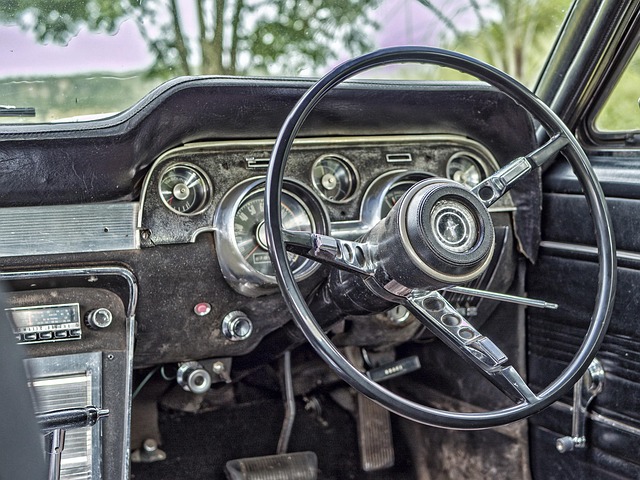
Before you register your car in California, ensure your vehicle passes the required VIN verification process for accurate and hassle-free registration. The unique Vehicle Identification Number (VIN) is a crucial piece of information that allows the California Department of Motor Vehicles (DMV) to identify your vehicle and verify its authenticity. Accurate VIN data is essential to prevent fraud and ensure proper record-keeping, making it a critical step in the car registration process.
For a seamless experience, consider utilizing mobile VIN inspection services, which offer convenient and efficient ways to verify your vehicle’s VIN. These services employ specialized tools and trained professionals who can conduct a thorough VIN inspection right at your location. This is particularly beneficial for those with busy schedules or limited mobility. By comparing the results with the data in the DMV’s system, these mobile vin verifiers ensure that your vehicle’s information is accurate, up-to-date, and matches the specifications on record.
During the VIN verification process, you’ll need to provide your vehicle’s make, model, year, and other relevant details. Accurate documentation, such as owner manuals or registration records, can streamline this process significantly. Keep in mind that any discrepancies found during the vin inspection may delay registration, so it’s best to address them proactively. For example, if there are issues with the odometer reading or vehicle history, rectifying these before heading to the DMV will save you time and potential frustration.
Pay the Required Fees and Taxes for Car Registration

Registering a car in California involves several steps, and one crucial aspect is paying the required fees and taxes. The process begins with ensuring that your vehicle’s Vehicle Identification Number (VIN) is verified, a step often facilitated through mobile VIN inspection services. These services allow for a convenient and efficient initial check, providing peace of mind before proceeding with registration. When conducting a VIN inspection, it’s essential to confirm the vehicle’s history, including any previous accidents or outstanding issues, which can be readily accessed via digital databases.
After confirming your vehicle’s authenticity through a mobile VIN verification service, you’ll need to gather necessary documents and pay associated fees. The California Department of Motor Vehicles (DMV) outlines these requirements clearly on its website. Typically, this includes fees for registration, title transfer (if applicable), and various taxes such as sales tax and car tax. Understanding these costs is vital; the total amount can vary based on factors like vehicle age, emissions standards met, and fuel type. For example, electric vehicles may have different fee structures due to their environmental benefits.
When paying these fees, consider using approved payment methods, which often include cash, credit card, or debit card. Some counties in California offer online registration options, streamlining the process for many vehicle owners. However, it’s recommended to double-check the validity of such platforms and ensure they provide secure transactions. After successfully completing the payment process, you’ll receive your registration documents, officially registering your vehicle with the state.
Complete the Registration Process and Receive Your Plate

After gathering all necessary documents and passing the California vehicle inspection, it’s time to complete the registration process and receive your license plate. This final step is crucial for legalizing your car on California roads. To ensure a smooth transition, you’ll need to provide your Vehicle Identification Number (VIN) for verification, which can be efficiently accomplished through a mobile VIN inspection or verification service. These services offer convenience by allowing you to complete this essential task from the comfort of your home or even while waiting in line at the DMV.
The process involves submitting your application, along with the required fees, to the California Department of Motor Vehicles (DMV). You’ll need to include your completed registration form, proof of insurance, and a valid driver’s license. If you’ve opted for a mobile VIN inspection, ensure that the inspector has access to all vehicle information, including the VIN, make, model, and year. This step is designed to prevent fraud and ensure the accuracy of your car’s registration details.
Upon successful submission, the DMV will process your application and issue your license plate. You’ll typically receive a notification when your plates are ready for pickup or delivery. It’s advisable to double-check all information on your registration documents before finalizing the process. Accurate VIN verification ensures that your vehicle is accurately represented in the DMV’s system, preventing future issues with law enforcement or during future vehicle transactions.
Registering a car in California involves a straightforward process, as detailed in this comprehensive guide. Key takeaways include ensuring you have all necessary documents, choosing between online or in-person registration, accurately completing your vehicle’s VIN verification, paying associated fees, and finally, receiving your license plate. By following these steps and prioritizing accurate VIN verification, drivers can ensure a smooth registration experience, underscoring the article’s authority on navigating California’s car registration requirements with ease.