

Looking to register your car in California? This comprehensive guide breaks down the process step-by-step. First, understand the eligibility requirements for car registration in California. Then, gather all necessary documents, including proof of ownership and identification. Next, learn how to perform a DMV VIN verification, a crucial step ensuring your vehicle’s authenticity. After that, complete the application process at your local DMV office. Finally, pay the registration fees and receive your official vehicle title.
- Understand Eligibility Requirements for Car Registration
- Gather Necessary Documents for California DMV
- Perform VIN Verification: Steps and Importance
- Complete Application Process at Your Local DMV Office
- Pay Registration Fees and Receive Your Vehicle Title
Understand Eligibility Requirements for Car Registration

Before you begin the registration process, it’s crucial to understand the eligibility requirements set by the California Department of Motor Vehicles (DMV). To register your car in California, the vehicle must meet certain criteria, including being legally imported and compliant with state safety and emissions standards. Additionally, the car needs to undergo a DMV VIN verification process, which ensures that the vehicle’s unique identifier—the Vehicle Identification Number (VIN)—matches the information on record. This step is often facilitated through a mobile vin inspection or mobile vin verifier, making it more convenient for California residents to complete this essential task.
During the eligibility check, the DMV will also verify that you have the necessary documents, such as proof of ownership and current insurance. It’s important to ensure your car is in good working condition, as any outstanding safety issues or emissions violations could delay or prevent registration. By understanding these requirements beforehand, you can streamline the registration process and get your vehicle legally registered in California promptly.
Gather Necessary Documents for California DMV

Before you register your car with the California Department of Motor Vehicles (DMV), make sure to gather all the essential documents. This process is crucial for a smooth and efficient transaction. You’ll need proof of ownership, typically in the form of a certificate of title, which can be obtained from your previous state’s DMV or a reputable vehicle sales source. Additionally, you must provide a valid driver’s license and proof of insurance to establish your identity and ensure your vehicle is legally covered.
For a hassle-free experience, consider utilizing a mobile vin verifier service. These services allow for remote vin inspection, saving time compared to traditional methods. With the help of a professional or even a mobile vin verification tool, you can quickly validate the vehicle’s identification number (VIN) and ensure it matches the details in your documentation, which is a key step in the registration process at the California DMV.
Perform VIN Verification: Steps and Importance

Before registering your car in California, it’s crucial to perform a Vehicle Identification Number (VIN) verification. This process involves using a mobile VIN verifier or conducting a vin inspection to ensure that the vehicle matches its listed details and hasn’t been reported as stolen or had its identity altered. Start by checking the VIN on the vehicle’s certificate of title or registration document. Then, compare it with the one displayed on the dashboard.
You can also utilize a mobile vin verification service for added convenience. These services allow you to quickly validate the VIN online or through an app, ensuring that all information is accurate and up-to-date. This step is critical as California’s DMV (Department of Motor Vehicles) relies on proper VIN data during registration. A discrepancy may lead to registration delays or issues, so taking this proactive measure can streamline the car registration process in California.
Complete Application Process at Your Local DMV Office
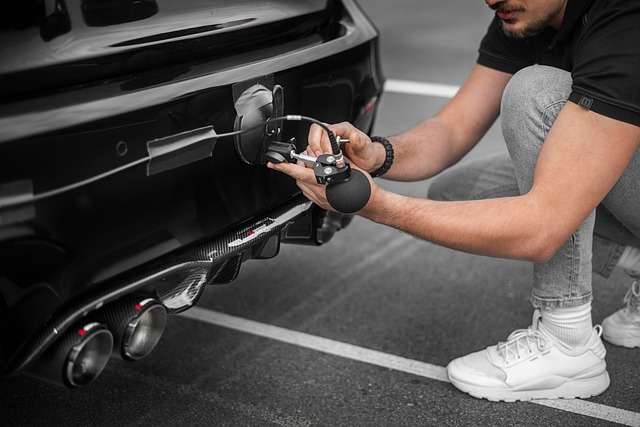
To complete the car registration process in California, you’ll need to visit your local Department of Motor Vehicles (DMV) office. Here, you’ll fill out necessary paperwork and undergo a crucial step—the DMV VIN verification. This involves providing detailed information about your vehicle, including its make, model, year, and unique Vehicle Identification Number (VIN). A mobile vin verifier or a professional vin inspection may be utilized to ensure the accuracy of this data.
During your visit, bring all required documents, such as proof of ownership, insurance, and identification. The DMV staff will guide you through the application process, ensuring that every detail is correct. They’ll cross-reference the provided information with their records and perform a VIN inspection to verify the vehicle’s identity and history, thereby facilitating a smooth registration experience.
Pay Registration Fees and Receive Your Vehicle Title

After completing your vehicle’s registration application, it’s time to settle the fees. California charges a base fee for vehicle registration, which varies based on the type and weight of your car. Additional fees may apply if your vehicle is considered high-polluting or if you choose optional services like personalized plates. You can pay these fees online, over the phone, or in person at a DMV office. Once processed, you’ll receive your vehicle’s title, which officially registers your car with the state.
As part of the registration process, the DMV may require a vin inspection to verify the vehicle’s identity using its unique 17-character Vehicle Identification Number (VIN). This can be done at authorized locations, including some auto repair shops and dealerships. Alternatively, many mobile vin verifiers now offer convenient, on-site VIN inspections, allowing you to complete this step without having to visit a DMV facility.
Registering a car in California involves understanding eligibility requirements, gathering essential documents, completing a DMV VIN verification process, and paying registration fees. By following these steps outlined in this article, you’ll be well on your way to securing your vehicle’s title with the California Department of Motor Vehicles (DMV). Remember, a proper car registration not only ensures legal compliance but also safeguards your investment and enhances your driving experience.